


SEO Agency for Startups: Hire, DIY, or Use AI?
You know your startup needs SEO. Organic search still drives the majority of website traffic, and ranking for the right keywords can bring a steady stream of leads without paying per click. But when you search for an "SEO agency for startups," you're hit with retainer quotes that start at $1,500 a month — and sometimes go much higher.
For an early-stage founder, that's a painful number. So you consider doing it yourself, only to realize SEO involves technical audits, content strategy, link building, and months of patience. Meanwhile, AI-powered SEO tools are popping up everywhere, promising to automate the heavy lifting at a fraction of the cost.
Which path is right for your startup? This guide breaks down all three options — hiring an SEO agency, going the DIY route, and leveraging AI tools — so you can make an informed decision based on your budget, time, and growth stage.
What Does an SEO Agency Actually Do for Startups?
Before comparing options, it helps to understand what you're buying when you hire an SEO agency for startups.
Most agencies bundle their services into monthly retainers that cover four core areas:
- Technical SEO — site audits, fixing crawl errors, improving page speed, setting up structured data, and ensuring your site is indexable.
- Keyword strategy and content — researching what your target audience searches for, then creating or optimizing pages to rank for those terms.
- Link building — earning backlinks from other websites to build your domain authority, often through outreach, digital PR, or guest posting.
- Reporting and strategy — monthly performance reports, ranking updates, and ongoing adjustments to the SEO plan.
Startup SEO differs from enterprise SEO in important ways. You're likely working with a brand-new domain (low authority), a small website (fewer pages to optimize), and limited budget. A good startup-focused agency understands these constraints and prioritizes quick wins — like targeting low-competition, long-tail keywords — rather than chasing high-volume terms dominated by established brands.
Three Ways Startups Handle SEO
Option 1: Hire an SEO Agency
Typical cost: $1,500–$5,000+ per month
Hiring a specialized SEO agency for startups is the most hands-off approach. You get a team of experts who handle everything from technical fixes to content creation and link building.
When it makes sense:
- You've raised funding and have a marketing budget to deploy.
- You need results fast and can't afford a learning curve.
- Your founding team has zero SEO experience.
- You're in a competitive niche where technical expertise matters.
The tradeoffs:
- Cost is the biggest barrier. Quality SEO agencies typically charge $2,000–$5,000 per month. According to Ahrefs, the average SEO agency charges around $134 per hour, and most campaigns require several months before showing results.
- Startup context gets lost. Many agencies serve mid-market or enterprise clients. They may not understand the urgency of startup timelines or the constraints of a lean team.
- Long-term contracts. Some agencies require 6–12 month commitments, which is risky if you're still finding product-market fit.
- Variable quality. The SEO agency market is crowded. Agencies that promise guaranteed rankings or results within weeks are usually red flags.
Option 2: DIY SEO
Typical cost: $0–$200 per month (tool subscriptions)
Doing SEO yourself means learning the fundamentals and executing the work — keyword research, on-page optimization, content writing, and link building — on your own.
When it makes sense:
- You're pre-revenue or bootstrapped with more time than money.
- You want to deeply understand your customers' search behavior.
- Your product is in a niche with low keyword competition.
- You're a technical founder comfortable learning new skills.
The tradeoffs:
- Time investment is significant. Expect to spend 10–15 hours per week on SEO if you're serious about it. That's time away from product development, sales, and fundraising.
- The learning curve is real. SEO involves technical knowledge (HTML, site architecture), content skills, and strategic thinking. Google's SEO Starter Guide covers the basics, but mastering SEO takes months of practice.
- Mistakes can be costly. Poorly executed SEO — like targeting the wrong keywords, creating thin content, or building low-quality links — can waste months of effort or even hurt your rankings.
- Results take longer. Without experience, it's common to spend months on tactics that don't move the needle.
Free tools like Google Search Console and Google Analytics give you essential data. Paid tools like Ahrefs ($99/month) or Semrush ($139/month) add keyword research, competitor analysis, and rank tracking capabilities.
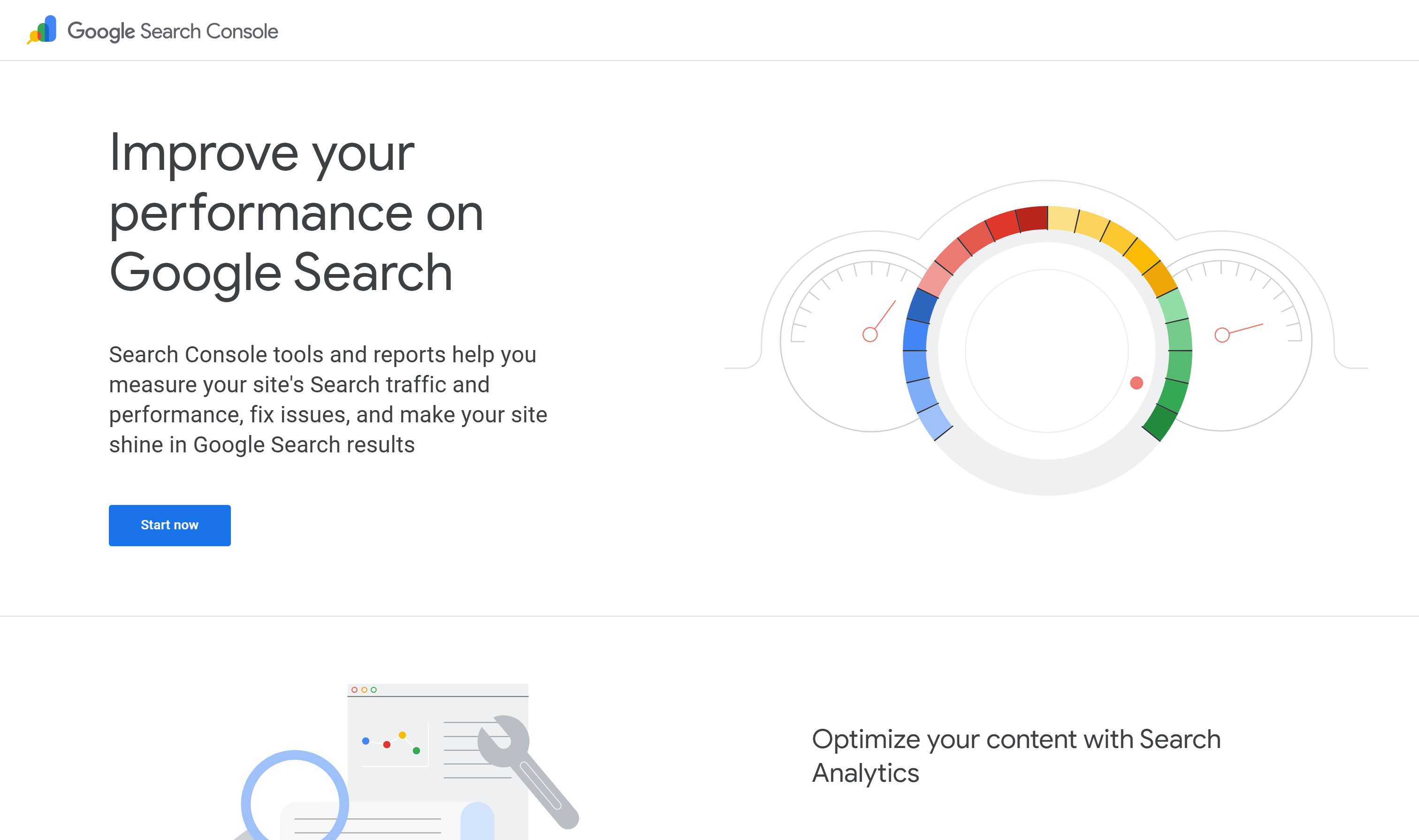
Image credit: Google Search Console
Option 3: AI-Powered SEO Tools
Typical cost: $30–$200 per month
AI SEO tools have emerged as a middle ground between agency services and pure DIY. These platforms use machine learning and natural language processing to automate tasks like keyword research, content optimization, and even content generation.
When it makes sense:
- You want to scale content production without hiring writers.
- Your primary SEO need is content-driven (blog posts, landing pages).
- You have a basic understanding of SEO and need execution help.
- You want to keep costs low while moving faster than pure DIY.
The tradeoffs:
- Limited strategic thinking. AI tools excel at execution tasks — generating content, suggesting keywords, optimizing on-page elements. They're weaker at big-picture strategy, like deciding which market segments to target or how SEO fits into your overall growth plan.
- Technical SEO gaps. Most AI tools focus on content. They won't fix your site speed, set up proper redirects, or audit your crawl budget.
- Quality still needs human oversight. AI-generated content can rank, but it requires editing and fact-checking to meet quality standards. Google's guidelines emphasize helpful, people-first content regardless of how it's produced.
- Link building is still manual. AI can't build relationships with editors or earn high-quality backlinks for you.
Popular options include SurferSEO ($89/month) for content optimization, Frase ($45/month) for content briefs and writing, and Semrush's AI toolkit for keyword research automation.
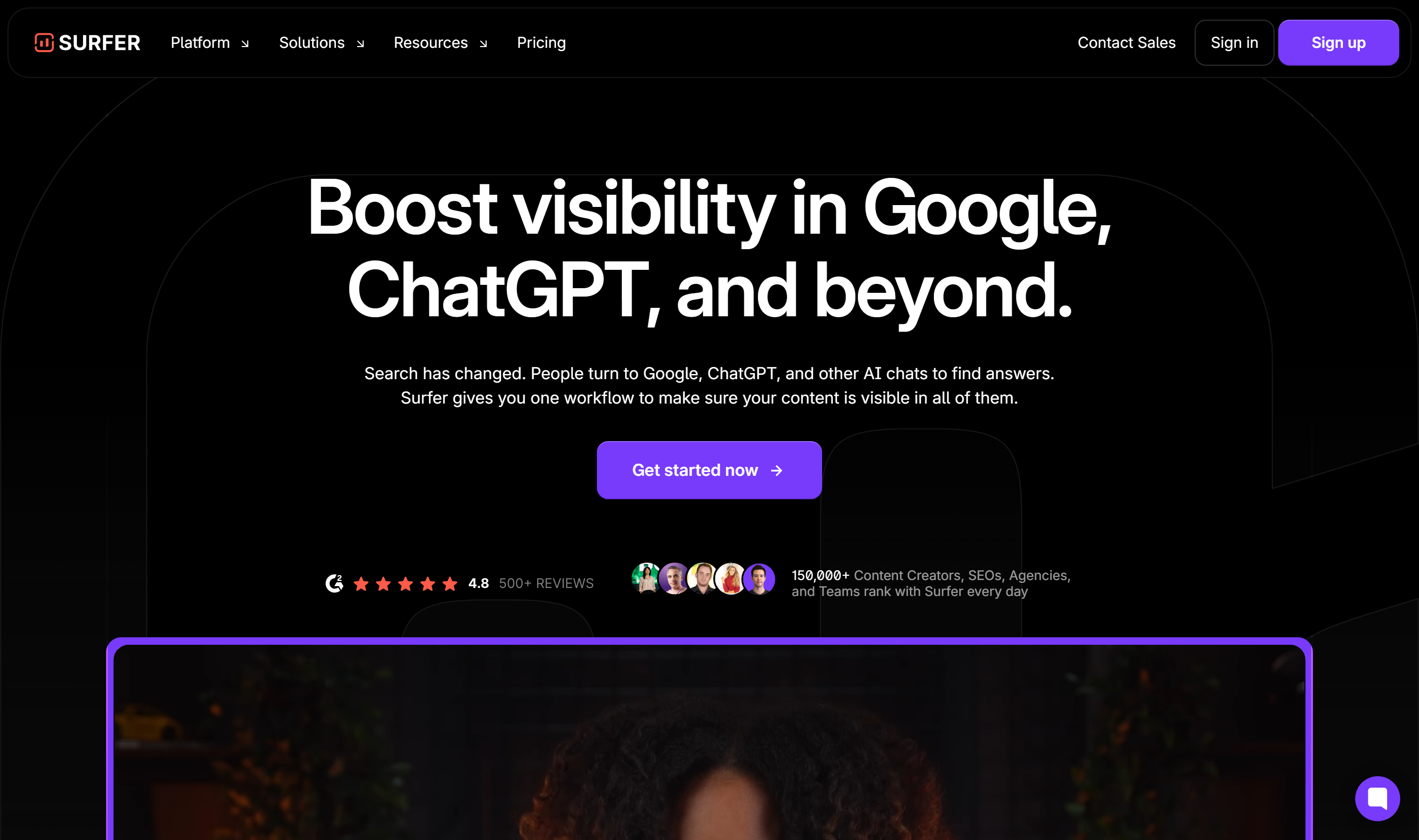
Image credit: SurferSEO
SEO Agency vs. DIY vs. AI: Side-by-Side Comparison
| Factor | SEO Agency | DIY SEO | AI Tools |
|---|---|---|---|
| Monthly cost | $1,500–$5,000+ | $0–$200 | $30–$200 |
| Time investment | 2–4 hrs/month (meetings) | 10–15 hrs/week | 5–8 hrs/week |
| Time to results | 3–6 months | 6–12 months | 3–6 months |
| SEO expertise needed | Low | High | Medium |
| Technical SEO | Included | Self-taught | Limited |
| Content creation | Included | Self-written | AI-assisted |
| Link building | Included | Self-managed | Not included |
| Scalability | High (pay more) | Low (time-bound) | Medium |
| Best for | Funded startups | Bootstrapped founders | Lean teams |
How to Choose the Right SEO Path for Your Startup
The best choice depends on three factors: your budget, your available time, and your growth stage.
Start with your monthly marketing budget:
- Under $200/month → DIY or AI tools. Focus on learning the fundamentals with Google's free resources. Use an AI writing tool to speed up content production.
- $200–$1,000/month → AI tools + occasional consulting. Invest in a solid AI SEO platform and hire an SEO consultant for a one-time audit or quarterly strategy sessions ($500–$1,500 per session).
- $1,000–$3,000/month → Freelance SEO specialist or small agency. You can afford dedicated help, but shop carefully. Ask for startup-specific case studies and avoid long-term contracts.
- $3,000+/month → Full-service SEO agency. At this budget, you can work with experienced agencies that handle everything end-to-end.
Consider the hybrid approach. Many successful startups combine methods:
- Use AI tools for content creation (writing blog posts, optimizing pages).
- Handle technical SEO basics yourself (Google Search Console setup, page speed fixes).
- Hire a freelance SEO consultant quarterly for strategy reviews and audits.
This hybrid model can deliver solid results at $200–$500 per month total — far less than a full agency retainer, but faster and more effective than pure DIY.
Red Flags When Hiring an SEO Agency
If you decide to hire an agency, protect yourself from common pitfalls:
- "Guaranteed #1 rankings." No one can guarantee specific rankings. Google's own documentation states that no agency can guarantee placement in search results.
- Unrealistic timelines. Any agency promising page-one results in 30 days is likely using risky tactics that could result in penalties.
- No transparency in reporting. A reputable agency shows exactly what they're doing — which keywords they're targeting, what links they're building, and how traffic is trending.
- Long lock-in contracts. Be cautious of 12-month minimum contracts, especially at the early stage. Look for month-to-month or 3-month agreements.
- One-size-fits-all packages. Startup SEO needs are different from enterprise SEO. If the agency offers the same package to a 5-person startup and a 500-person company, they're probably not the right fit.
- No startup experience. Ask for case studies from other startups. An agency that primarily works with established brands may not understand your constraints.
Key Takeaways
- An SEO agency for startups is the fastest but most expensive option. It works best when you have funding and need to scale organic traffic quickly without building in-house expertise.
- DIY SEO costs almost nothing but demands significant time. It's ideal for bootstrapped founders willing to invest 10+ hours per week and play the long game.
- AI SEO tools offer a practical middle ground. At $30–$200 per month, they automate content and keyword tasks while keeping costs manageable for lean teams.
- The hybrid approach is often the smartest play. Combine AI tools for execution, DIY for technical basics, and occasional expert consulting for strategy.
No matter which path you choose, remember that SEO is a long-term investment. The startup that starts building organic visibility today — even with imperfect execution — will have a significant advantage over competitors who wait.